A brake pad warning appears, but the pedal feels normal, and you haven't heard any scraping. How did the car know the pads were getting thin? If it has electronic brake wear sensors, a small component near the pad's friction material can signal when wear reaches a set point.
That warning gives you useful information, though it doesn't describe the condition of every brake component. Sensor layouts vary, and some vehicles monitor only selected pads. Understanding how the system works helps you respond to the message and see why a complete brake inspection still belongs in the service.
Brake Wear Sensors Monitor A Specific Pad Location
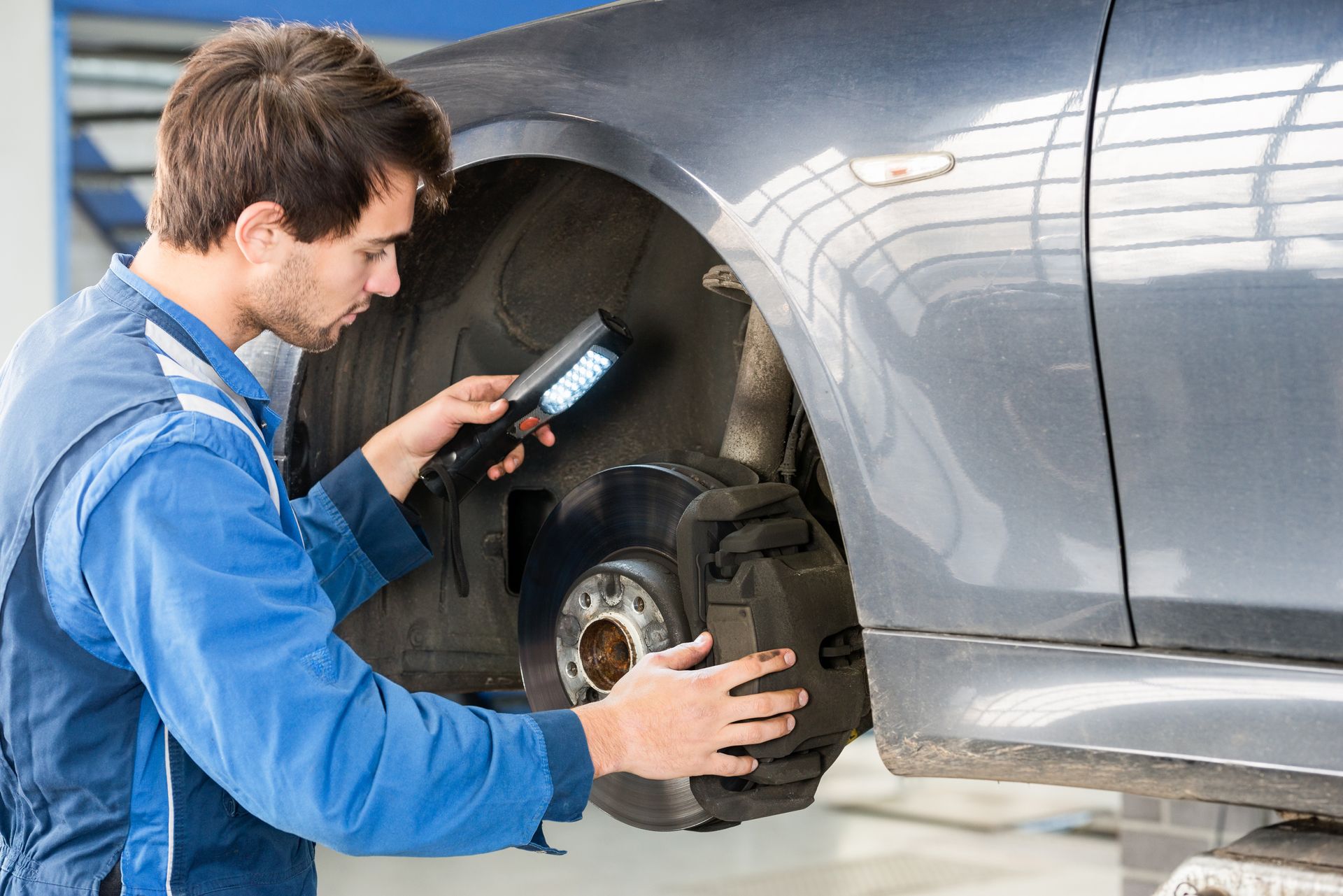
An electronic wear sensor is fitted to a brake pad or positioned so it changes condition when the friction material wears to a set point. As the pad becomes thinner, the sensor moves closer to the brake rotor. Once wear reaches its trigger point, the vehicle can display a pad-related warning.
Sensor locations vary. A vehicle may monitor selected pads rather than every pad at every wheel. That means a normal dashboard display can't guarantee that all the other pads have plenty of material remaining. The system observes its fitted sensing locations, while an inspection checks the complete brake assembly.
Electrical Brake Wear Sensors Change A Circuit
Many basic electronic designs contain a small conductive element. Contact and wear change the electrical circuit, either interrupting it or producing another detectable circuit condition. The vehicle recognizes that change and turns on a warning. The exact electrical arrangement depends on the manufacturer and sensor design.
Some systems use more than one wear stage or combine sensor information with operating data to estimate remaining service life. A displayed distance is therefore not always a direct measurement of every pad's thickness. Interpret it using the vehicle's instructions and confirm it against the actual condition of the brakes.
Mechanical Brake Wear Indicators Make A Different Warning
A mechanical wear indicator is usually a small metal tab that contacts the rotor when the pad reaches a certain thickness. It can create a squealing sound to alert the driver. Unlike an electronic sensor, this indicator doesn't necessarily communicate with the dashboard or calculate a service distance.
Squealing can also come from other causes, so the sound alone doesn't identify which part needs replacement. Likewise, quiet brakes aren't proof of healthy pads. If you hear a new repeated squeal, grinding, or other change, have the brakes inspected rather than waiting for a dashboard message to confirm it.
A Brake Wear Warning Needs A Complete Brake Inspection
The technician checks pad thickness, compares inner and outer pads, and inspects the rotors and related hardware. Uneven wear can point to a sticking caliper, restricted movement, or another mechanical concern. Replacing the worn pad without checking why it wore that way can leave the underlying problem in place.
The inspection should also consider the warning circuit. Damaged wiring, a disconnected plug, or a sensor fault can trigger a message even when wear isn't the only issue. That doesn't make the warning safe to ignore. It means the shop needs to confirm both brake condition and the reason for the alert.
Brake Wear Sensors May Need Replacement With The Pads
A sensor that has worn through its sensing element is generally not restored by installing fresh pads. Depending on the design, a replacement sensor is required. Some sensors are reusable only under specified conditions, while others are intended for replacement as part of the pad service.
Using the correct sensor and routing its wiring properly helps avoid damage near moving or hot brake components. A service reminder may also need to be reset after the repair. Resetting the display or bypassing the wiring without confirming pad condition doesn't make the brakes ready for continued use.
Brake Warning Symptoms Can Require Faster Action
A pad wear message usually means you should arrange an inspection promptly, but other symptoms can change the urgency. Braking performance and the type of warning take priority over an estimated distance shown on a service screen. Check your owner's manual to understand the specific alert.
Stop safely and arrange assistance if you notice:
- A pedal that sinks or feels unusually soft.
- A red brake system warning that indicates a serious fault.
- Severe grinding when you apply the brakes.
- Smoke near a wheel or another clear sign of brake overheating.
- A major reduction in stopping ability.
Don't keep driving to test whether a dangerous symptom becomes more obvious.
Brake Inspections Stay Necessary Without A Sensor Warning
Routine inspections can catch pad wear before a sensor reaches its trigger point. They also identify rotor wear, fluid leaks, hose damage, and other conditions the pad sensor doesn't monitor. A working sensor is one source of information, not a complete assessment of the entire braking system.
Tell the shop about the warning and any recent brake work, even if the car still feels normal. A photo can help identify an unfamiliar dashboard message. The technician can then compare that information with measured pad thickness and the rest of the inspection, explaining what needs replacement and what remains serviceable.
Schedule A Brake Wear Inspection In Lake Geneva, WI
Mike's Auto Repair in Lake Geneva, WI, can inspect brake pad wear, electronic sensor warnings, and changes in braking performance. We can check the pads, rotors, and warning components together and explain the work supported by their condition.
Contact us to schedule a brake inspection and have your brake wear warning checked.