Some car problems become expensive because the original failure was serious. Others get expensive because a small warning sign was ignored until it damaged several other parts around it.
That is where preventive service earns its value. A leaking hose, worn belt, low fluid level, or small brake issue is usually much easier to fix before it causes overheating, transmission damage, or a roadside breakdown. These six problems are good examples of repairs where early attention can save a substantial amount of money.
1. Small Coolant Leaks Can Become Major Engine Repairs
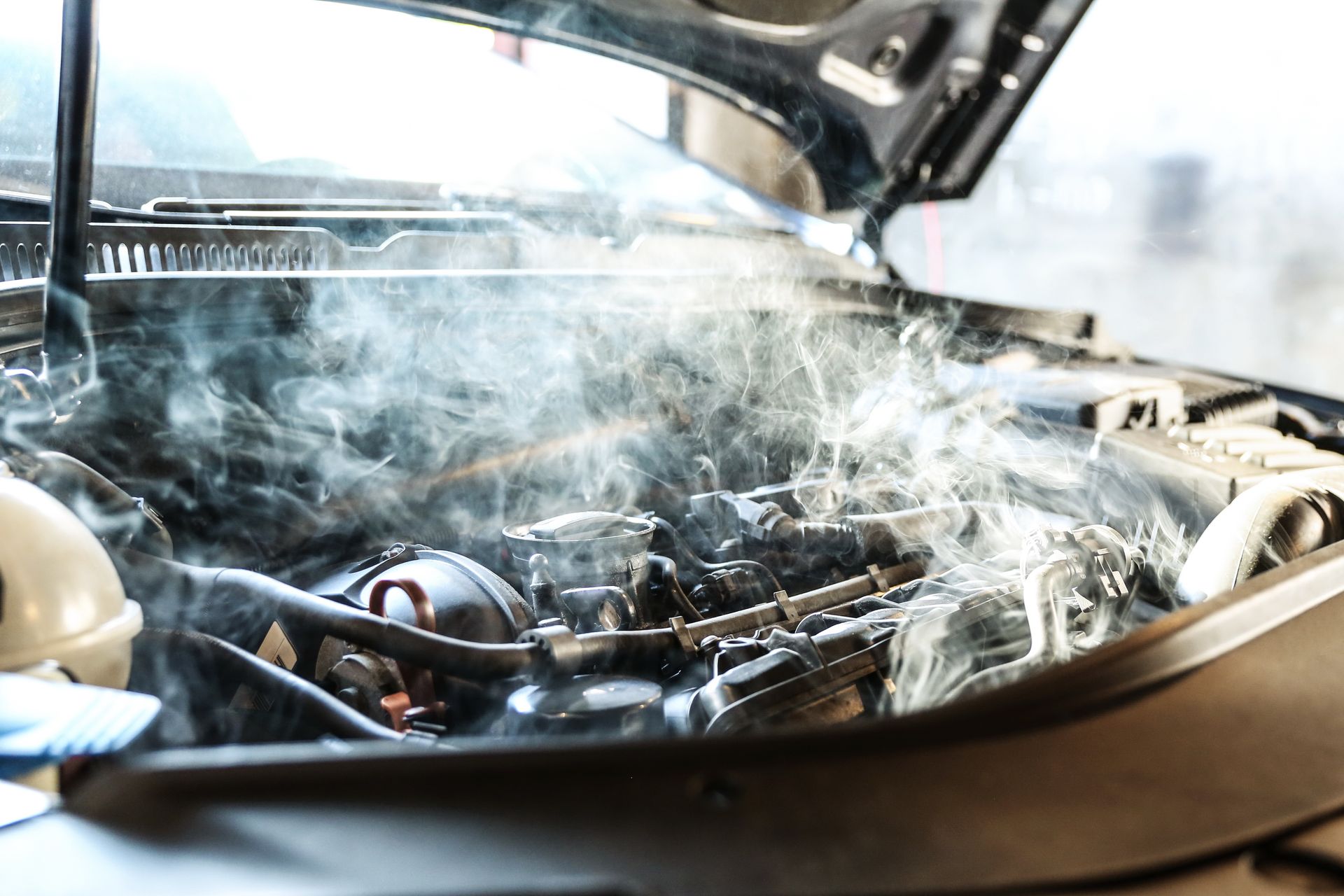
A slow coolant leak may begin with a faint sweet smell, a few drops under the vehicle, or a reservoir level that needs topping off every few weeks. Common sources include hoses, radiators, water pumps, thermostat housings, and plastic fittings.
The expensive part comes when the coolant gets too low and the engine overheats. Severe overheating can damage the head gasket, warp a cylinder head, or hurt internal engine components. Finding a leaking hose or water pump early is far cheaper than repairing an engine that was driven hot.
2. Worn Brake Pads Can Damage Rotors and Calipers
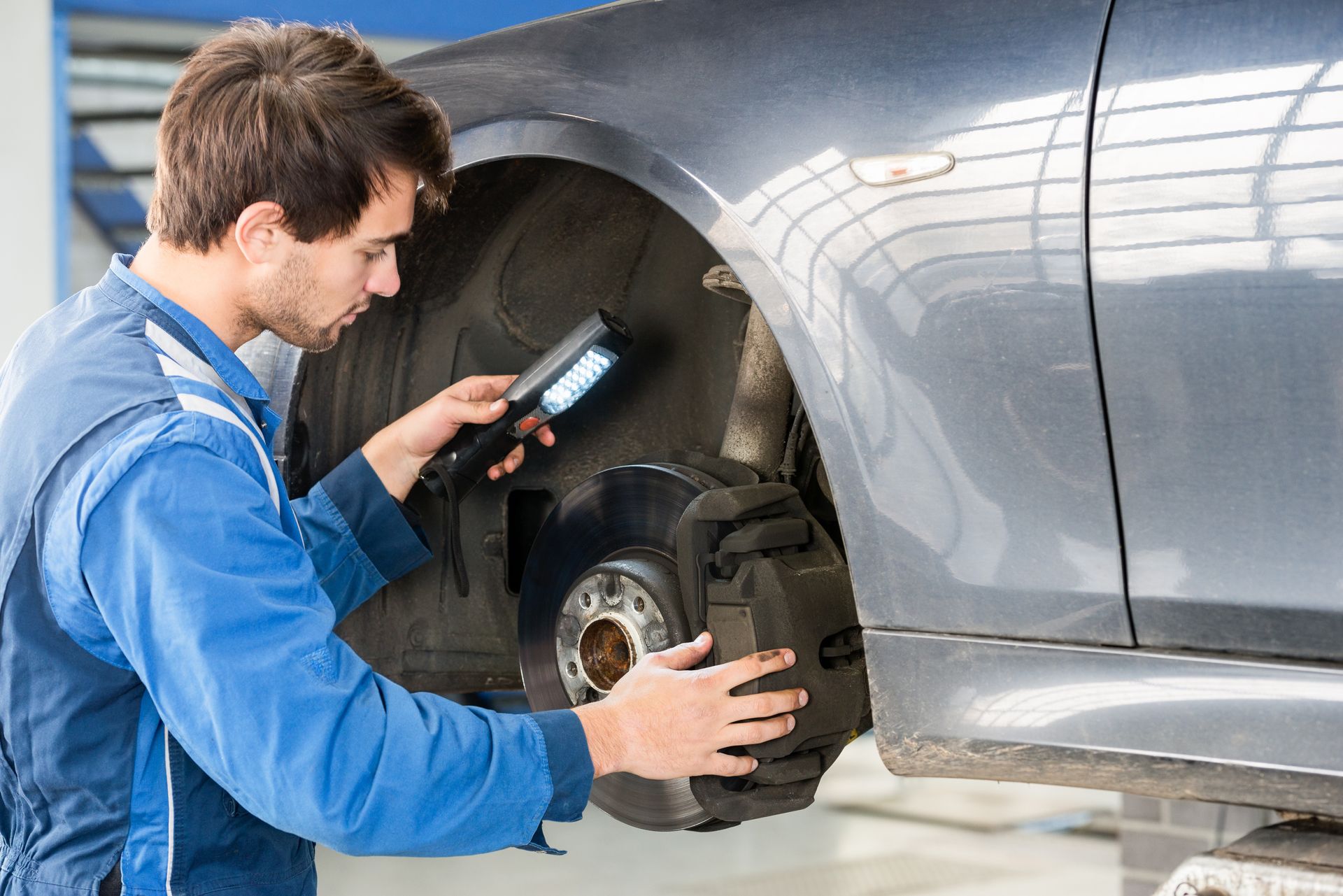
Brake pads are designed to wear out, so replacing them at the right time is normal maintenance. Problems start when the friction material wears away completely, and the metal backing plate begins grinding against the rotor.
At that point, a basic pad replacement can turn into pads, rotors, and possibly caliper work if excessive heat has developed. During an inspection, we measure pad thickness and look at wear on both sides of the vehicle. Catching thin pads before they reach metal keeps the repair simpler and protects the surrounding brake parts.
3. A Torn CV Boot Can Ruin a Good CV Joint
CV joints depend on grease to handle steering and suspension movement while transferring power to the wheels. A flexible rubber boot keeps that grease inside and blocks water, dirt, and road debris from getting into the joint.
If the boot develops a small tear, grease begins escaping, and contamination works its way inside. Catch the damage early enough, and you may have options before the joint is worn out. If you wait until the axle clicks through turns or vibrates under acceleration, replacing the complete CV axle is often the more practical repair.
4. Low Transmission Fluid Can Lead to Serious Internal Damage
Automatic transmissions rely on fluid for hydraulic pressure, lubrication, cooling, and clutch operation. If a seal, cooler line, pan, or other component begins leaking, the transmission can operate with less fluid than it was designed to have.
Low fluid can cause delayed engagement, slipping, harsh shifts, and excess heat. Continuing to drive that way can damage internal clutches and other expensive components. Fixing a leak and restoring the proper fluid level early is much less costly than rebuilding or replacing a transmission after repeated low-fluid operation.
5. A Worn Serpentine Belt Can Cause More Than a Breakdown
The serpentine belt can drive several important accessories, including the alternator, A/C compressor, power steering pump, and on some vehicles, the water pump. Cracks, frayed edges, glazing, or a weak tensioner tell us the belt drive needs attention.
If the belt breaks, the vehicle can lose charging immediately. On engines where the belt drives the water pump, coolant circulation can stop too, which can cause engine temperature to rise quickly. Replacing a worn belt and tensioner during regular maintenance is inexpensive compared with repairing an overheated engine or dealing with a roadside failure.
6. Small Oil Leaks Can Turn Into Lubrication Problems
A few drops of oil on the driveway may not seem urgent, but every leak can lower the engine oil level over time. Valve cover gaskets, oil filter housings, oil pans, seals, and other engine components can all begin seeping as they age.
The leak itself is often manageable when caught early. The risk comes from driving with the oil level too low or allowing oil to reach belts, rubber mounts, or hot exhaust parts. Engines depend on steady oil pressure and proper lubrication, so checking the level between services is one of the simplest ways to prevent a much larger repair.
Early Warning Signs Are Usually Worth Checking
Drivers sometimes postpone service because the vehicle still starts, runs, and gets them to work. That makes sense with some minor issues, but certain symptoms are worth checking before they have time to spread.
Coolant loss, fluid spots, grinding brakes, new belt noises, burning smells, and sudden changes in shifting are all useful warnings. A shop does not need to replace everything it finds. The goal is to identify which problem is developing, how urgent it is, and whether fixing it now can prevent damage to more expensive components.
Get Preventive Auto Repair In Lake Geneva, Wisconsin, With Mike's Auto Repair
If your vehicle has developed a small leak, unusual noise, worn brake parts, or another issue you have been putting off, Mike's Auto Repair in Lake Geneva, Wisconsin, can check the problem and help you decide what to handle now and what can wait.
Schedule a preventive service visit before a manageable repair becomes expensive.