Cabin noise depends on far more than the engine or exhaust. Vehicle shape, tire design, suspension construction, sound insulation, glass thickness, body sealing, and even the pavement beneath the tires all affect what reaches the occupants.
Some cars are engineered to isolate nearly every vibration, while others allow more road and mechanical feedback into the cabin. A vehicle can also become noticeably louder as tires wear, seals age, bearings loosen, or exhaust components develop leaks. Knowing where the sound comes from helps separate normal design characteristics from a repair concern.
Vehicle Design Sets The Starting Point
Automakers decide early in the design process how quiet or connected a vehicle should feel. Luxury sedans often use extensive floor insulation, thicker carpeting, acoustic windshield glass, isolated suspension mounts, and additional sealing around doors and body openings.
Smaller economy cars usually contain less sound-deadening material because insulation adds weight, manufacturing cost, and assembly time. Sport-oriented vehicles may intentionally allow more engine, exhaust, and tire sound into the cabin to create a stronger sense of speed and mechanical response.
Body shape also affects wind noise. Tall vehicles, roof racks, large mirrors, exposed wiper arms, and abrupt body edges disturb airflow more than a low, rounded design. A manufacturer can manage those effects, but two vehicles traveling at the same speed may still produce very different noise levels because their structures and priorities are different.
Tires Are A Major Source Of Cabin Noise
Tire tread repeatedly contacts and releases from the pavement. Every tread block creates vibration, and that vibration travels through the wheel bearings, suspension, body, and air inside the wheel wells.
Wide performance tires often transmit more sound because they place a larger tread area on the road. Aggressive all-terrain patterns can produce a steady hum, while low-profile sidewalls provide less rubber to absorb vibration before it reaches the suspension.
Tire condition changes sound as well. Common noise-producing problems include:
- Cupped tread
- Feathered tread edges
- Uneven shoulder wear
- Hardened rubber from age
- Incorrect tire pressure
- Mismatched tire models
- Poor wheel balance
Road noise that changes sharply between coarse concrete and fresh asphalt usually points toward the tires. A wheel bearing tends to produce a more consistent hum or growl across different pavement surfaces.
Suspension Parts Control Vibration
Suspension components do more than keep the tires connected to the road. Bushings, mounts, shocks, and struts also control how vibration enters the body.
Rubber bushings isolate metal suspension arms from the frame or subframe. As the rubber hardens, cracks, or separates, more road texture and impact noise reaches the cabin. Worn shocks and struts can allow the tires to bounce, creating cupped tread that becomes noisy even after the original suspension problem is repaired.
Loose sway bar links, strut mounts, control arm bushings, or ball joints often produce clunks over bumps. Collapsed engine and transmission mounts can send engine vibration through the steering wheel, seats, and floor. An inspection helps distinguish normal tire sound from looseness or failed isolation components.
Door Seals And Glass Affect Wind Noise
Door and window seals prevent air from passing through gaps around the cabin. When a seal shrinks, tears, flattens, or pulls away from its mounting channel, wind can create whistling or rushing noise at highway speed.
A door that sits slightly out of alignment may compress one part of the seal while leaving another section loose. Previous body repair, worn hinges, damaged weatherstripping, and debris around the seal can all contribute.
Glass construction also affects noise. Some vehicles use laminated acoustic glass in the windshield and front side windows to reduce wind and traffic sound. Others use thinner tempered side glass that transmits more exterior noise. Replacing acoustic glass with a different specification can change how the cabin sounds even when the new window fits correctly.
Exhaust And Engine Noise Can Enter The Cabin
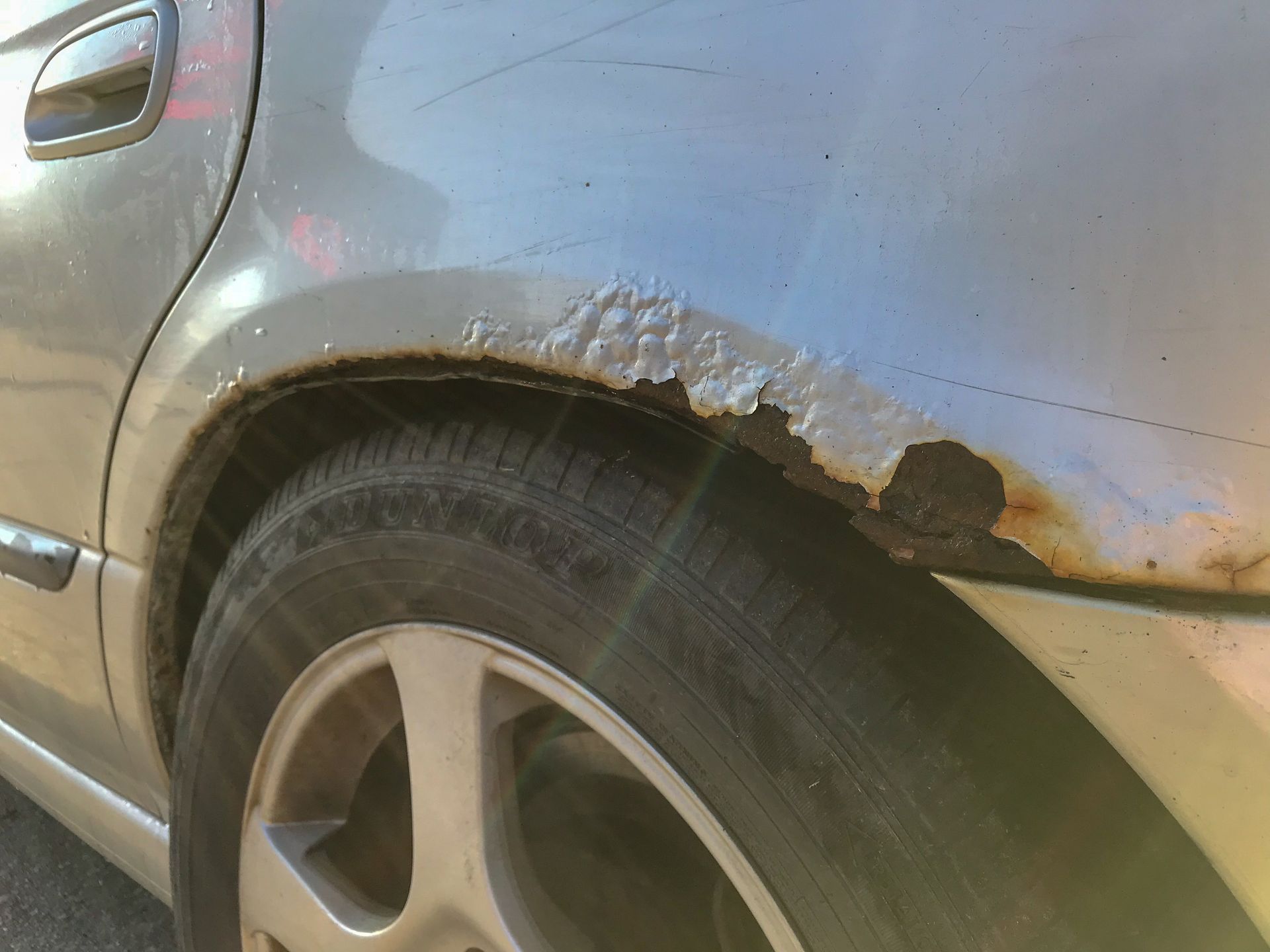
Exhaust systems are designed to carry gases behind the passenger area while controlling sound through resonators and mufflers. A cracked flex pipe, failed gasket, rusted pipe, loose heat shield, or damaged muffler can make the vehicle sound louder inside.
Exhaust leaks near the engine or floor require prompt attention because gases may enter the cabin. A ticking sound during acceleration, strong exhaust odor, or sudden increase in engine noise should not be treated as a comfort issue alone.
Engine noise may also increase when an air intake tube splits, an engine cover becomes loose, a pulley bearing wears, or a mount allows contact with the body. Regular maintenance provides opportunities to find loose shields, deteriorated mounts, and early exhaust corrosion before the sound becomes severe.
Cargo Areas And Interior Trim Can Amplify Sound
SUVs, hatchbacks, and wagons often feel louder because the cargo area is connected directly to the passenger compartment. Sedans have a separate trunk that helps isolate rear tire, suspension, and exhaust noise.
Missing cargo covers, folded rear seats, removed carpeting, or an empty spare tire well can make road noise more noticeable. Loose trim panels, seat latches, tools, and spare tire equipment may rattle over bumps and make the entire car feel less refined.
Before assuming a mechanical component has failed, remove loose cargo and verify that the spare tire, jack, cargo floor, seatbacks, and interior panels are secured. Small rattles can travel through the body and appear to come from a completely different area.
When A Louder Cabin Needs Professional Testing
A vehicle that has always been louder than another model may reflect its original design. A new or increasing sound deserves closer attention, particularly when it changes with speed, steering, acceleration, braking, or road surface.
Technicians can road-test the vehicle, evaluate tire wear, check wheel bearings, inspect suspension parts, examine body seals, and look for exhaust leakage. The pattern of the sound is important because tire roar, bearing growl, wind leakage, and exhaust noise respond differently under changing conditions.
Get Cabin Noise Testing In Lake Geneva, WI, With Mike's Auto Repair
Mike's Auto Repair in Lake Geneva, Wisconsin, can evaluate tire noise, wheel bearings, suspension wear, door seals, engine mounts, exhaust leaks, and interior rattles.