Winter driving and road salt go hand in hand, but that convenience comes with a cost. Salt keeps roads safer by melting ice, yet it quietly attacks metal, hardware, and even some electrical parts on your vehicle. Rust rarely shows up overnight. It creeps in slowly, starting in hidden seams and brackets long before you see a brown spot on a body panel.
Knowing where salt does the most damage and how to fight it can save you from expensive repairs later.
Why Road Salt Is So Tough on Your Car
Road salt works by lowering the freezing point of water, which keeps slush and thin ice from bonding to the pavement. Once that salty mix is on the road, every passing tire throws it into wheel wells, onto brake components, and across the underbody. When the water eventually dries, a salty film is left behind, and that residue attracts moisture from the air.
That constant cycle of wet, salty film keeps metal parts from ever really drying out. Over time, bare or chipped metal starts to corrode, and then the rust spreads under paint, coatings, and undercoating. Areas that already have stone chips or thin factory coating are usually the first to suffer.
Where Corrosion Shows Up First
Rust does not attack every part of the car equally. It tends to concentrate in places where salty water sits or gets thrown repeatedly. Common hot spots include:
- Inner lips of wheel arches and rocker panels
- Suspension mounting points and control arms
- Brake and fuel lines that run along the frame or underbody
- Welded seams, pinch welds, and folded metal edges
- Exhaust hangers, brackets, and hardware
You might not see much from the outside at first. Surface rust on exhaust or minor discoloration on fasteners is normal in many climates, but flaking metal on structural parts, heavy scale on brake lines, or bubbling paint around wheel arches are warning signs that deserve attention.
Owner Habits That Make Salt Damage Worse
How the car is driven and cared for in winter can speed up or slow down corrosion. Driving through deep slush and snow banks throws more salty slush into every nook and cranny. Parking a salty, wet vehicle in a warm garage every day can actually keep the corrosion process active by giving salt and moisture a comfortable environment to work in.
Going all winter without a proper wash lets salt pack into seams and behind trim. Ignoring early rust spots around stone chips or worn underbody coating gives corrosion a place to start. When we inspect winter-driven vehicles, we often see a pattern: years of salty winters with very little washing or underbody attention, followed by sudden leaks or structural rust that could have been slowed down with a few simple habits.
Smart Ways to Protect Your Car Before Winter
The best time to start fighting road salt is before the first major storm. A bit of prep goes a long way:
- Wash and decontaminate the paint, then apply a quality wax or sealant to help shield the surface.
- Have the underbody inspected, and consider fresh rust-proofing or undercoating in clean, solid areas.
- Touch up obvious stone chips on exposed metal to seal them before salt can reach bare steel.
- Check rubber plugs and grommets in the floor and trunk so salty water cannot spray directly inside cavities.
- Make sure plastic inner fender liners and splash shields are intact so they can deflect salt away from critical parts.
None of these steps make the car “rust-proof,” but they raise the bar for how much abuse it can take before corrosion starts to win.
Post-Storm Washing Habits That Actually Help
Once the plows and salt trucks have been out, your wash routine matters more than the soap brand. The underbody and wheel wells need attention just as much as the paint. A good winter wash includes a thorough rinse underneath, paying special attention to the area behind the wheels, the rocker panels, and the lower edges of the doors.
If you use an automatic wash, look for one that offers an underbody spray and use it regularly during the salty months. Try to rinse the car when temperatures are above freezing so water can drain and dry instead of turning into ice in door seals and latches. Even a basic self-serve rinse is better than letting salt sit for weeks, especially after long highway drives on heavily treated roads.
When It Is Time to Have Salt Damage Inspected
It is worth scheduling a professional look any time you notice rust bubbles in the lower body, thick flaking on underbody parts, or wet, crusty areas around brake or fuel lines. A thorough inspection can reveal whether the rust is mostly cosmetic or if it has started to affect structural areas and safety-related parts.
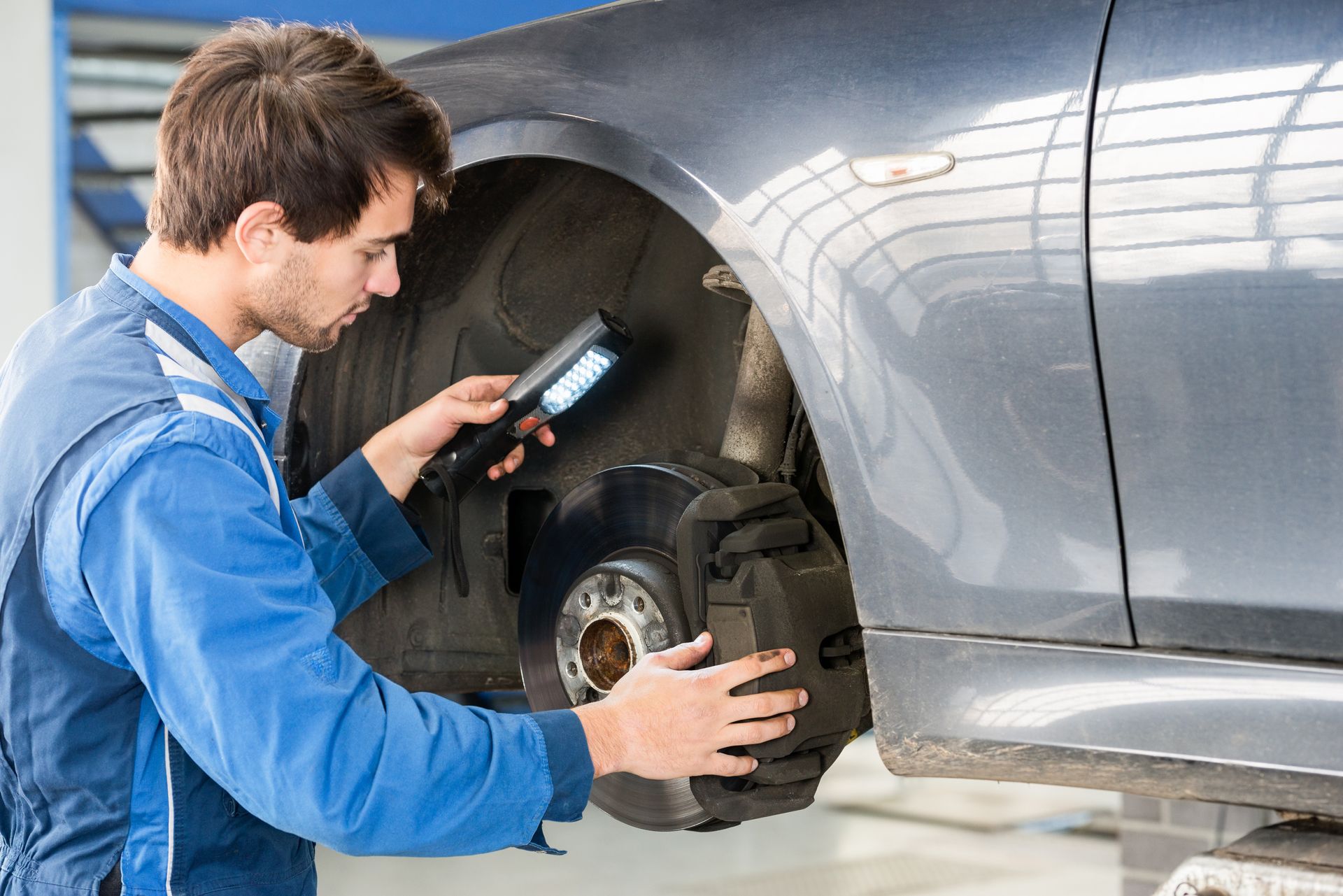
During a lift inspection, technicians can check brake and fuel lines for deep pitting, examine suspension mounts and control arms for thinning metal, and look over exhaust hangers and brackets. Catching corrosion at this stage gives you options, from cleaning and coating mild rust to planning repairs before a line fails or a bracket breaks.
Get Road Salt Corrosion Protection in Lake Geneva, WI with Mike's Auto Repair
We work with winter-driven vehicles every year and know where road salt does the most damage. We can inspect your underbody, brake and fuel lines, suspension, and body seams, then recommend realistic steps to slow rust and protect the parts that matter most.
Call
Mike's Auto Repair in Lake Geneva, WI, to schedule a corrosion inspection and winter protection service so road salt does not shorten your car’s life.