Finding the right Chevrolet mechanic is not just about who can fit you in first. It is about choosing a shop that understands the vehicle, explains the repair clearly, and does not rush you into work that has not been properly checked. That becomes even more important when the symptom is vague, like a warning light, rough idle, fluid leak, or shifting issue.
Chevrolet vehicles are common, but that does not mean every repair should be treated casually. A good shop should combine brand familiarity, careful testing, and honest communication before recommending the next step.
Chevrolet Experience Helps More Than Drivers Realize
A mechanic who sees Chevrolet vehicles regularly starts to recognize patterns. Different Chevy models can develop familiar issues with cooling systems, ignition parts, oil leaks, sensors, transmissions, suspension components, and electrical systems. Knowing those patterns helps shorten the search without skipping the diagnostic process.
That experience does not mean guessing based on reputation. It means knowing where to look first and what to verify before replacing parts. Our technicians use Chevrolet experience as a guide, but the vehicle still needs to be tested based on its current symptoms.
Honest Repair Starts With A Real Inspection
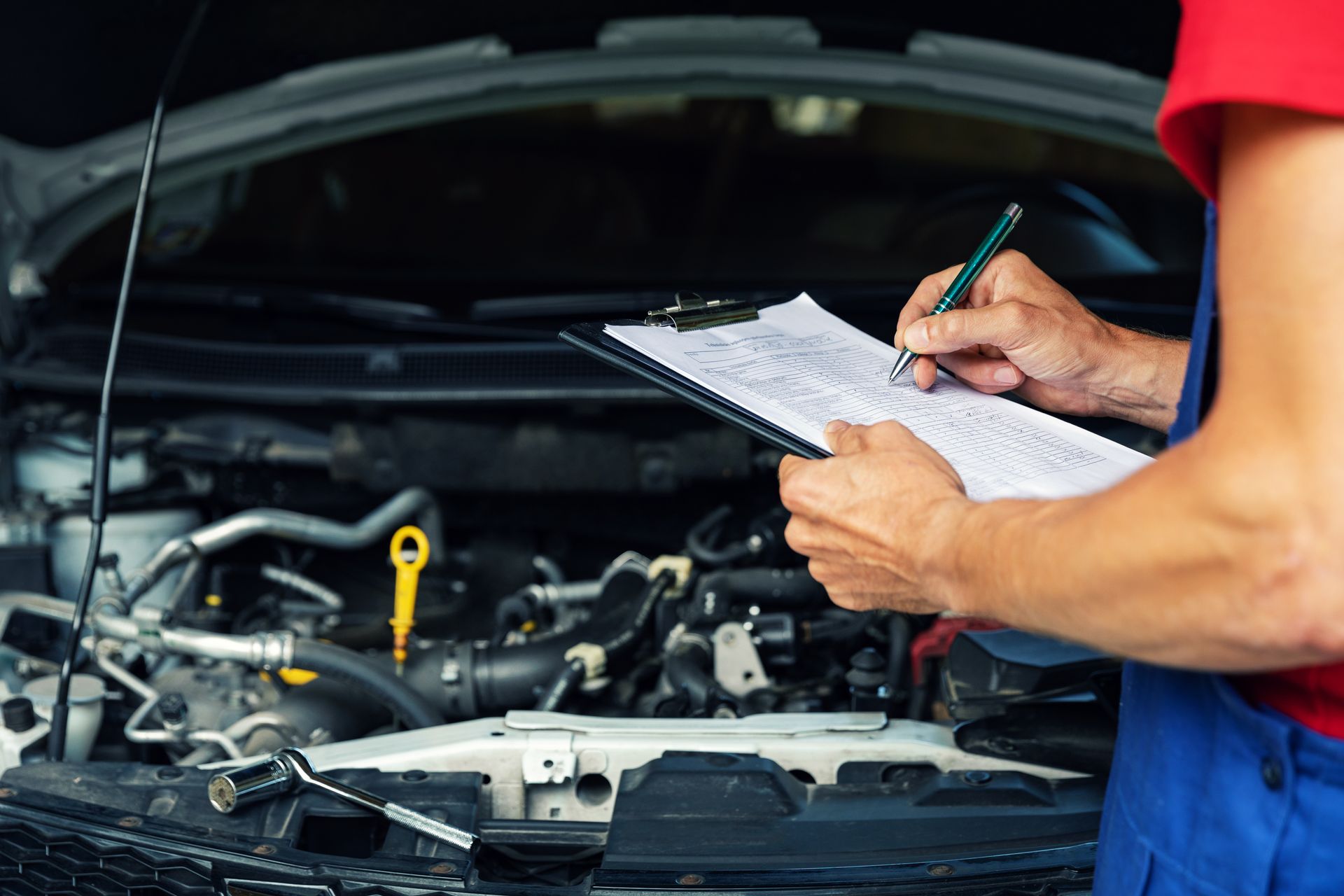
The most trustworthy repair advice comes after a real inspection. A check engine light, brake noise, fluid leak, or starting problem should not be answered with an instant parts list. The shop should check codes, inspect the related system, test the part when possible, and explain what was found.
A trouble code is only a clue. For example, an oxygen sensor code might be caused by a bad sensor, but it could also be due to an exhaust leak, a fuel mixture problem, or a vacuum leak. Honest Chevrolet repair service means proving the cause before asking you to spend money.
Clear Communication Should Be Part Of The Service
A good Chevrolet mechanic should be able to explain the problem in plain language. You should know what failed, why it matters, what repair is recommended, and whether anything can wait. If the explanation sounds rushed or confusing, it is fair to ask for more detail.
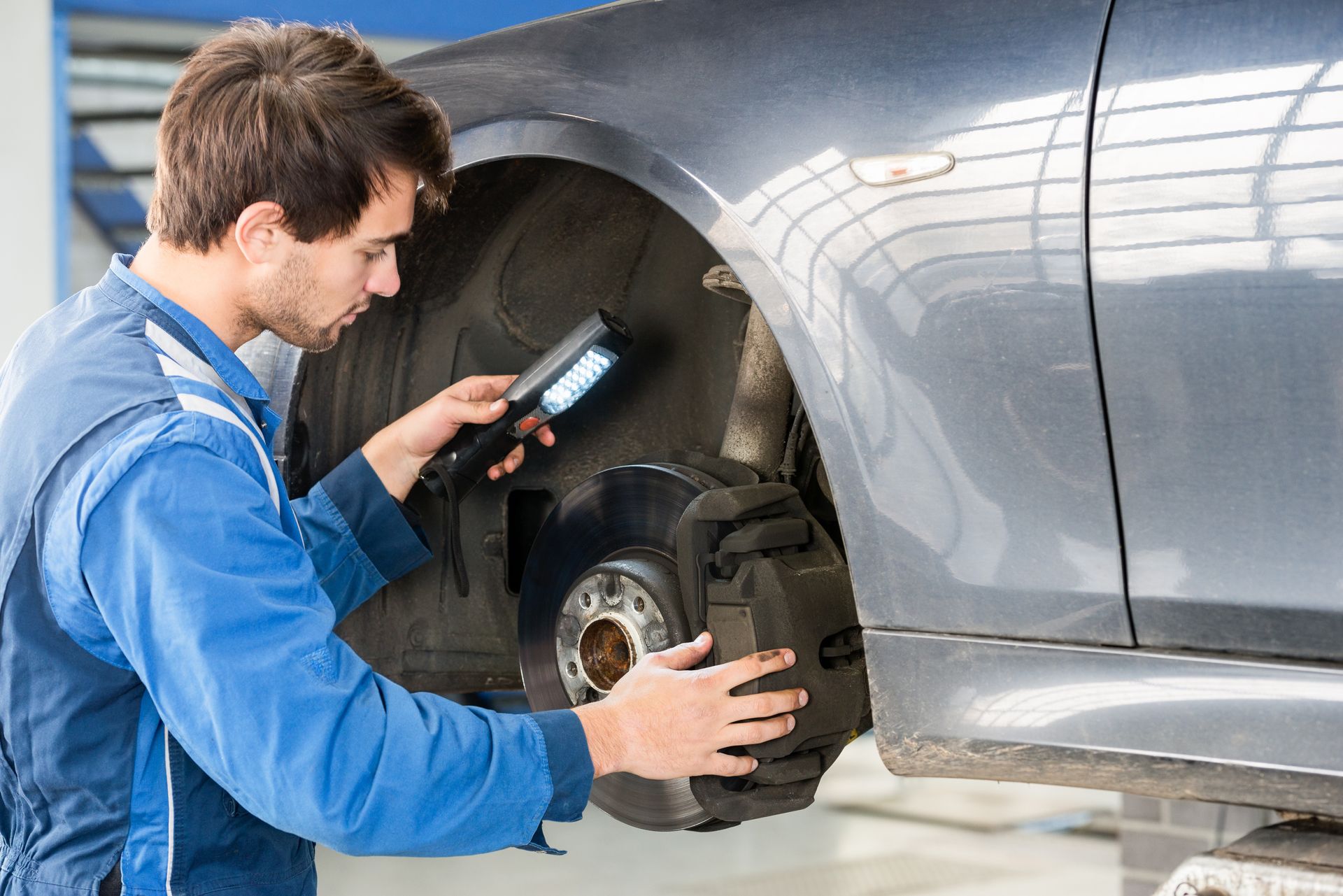
Photos, measurements, scan results, and simple descriptions can make a big difference. Brake pad thickness, fluid condition, leak location, tire wear, and test results are all easier to understand when the shop takes time to show what is happening. We believe a driver should not feel pushed into a repair they do not understand.
Maintenance Advice Should Fit Your Vehicle
Chevrolet maintenance should be based on the model, mileage, engine type, driving habits, and service history. A truck used for towing does not age the same way as a sedan used for short local trips. A higher-mileage SUV with unknown service history may require a different plan than a vehicle that has been serviced on schedule since new.
Regular maintenance includes oil changes, filter changes, brake inspections, fluid services, tire rotations, battery testing, spark plug replacement, coolant service, and inspections. The right shop will not treat those items like a generic checklist. It should explain what your Chevy actually needs now and what to watch for later.
Common Chevrolet Problems Need Careful Testing
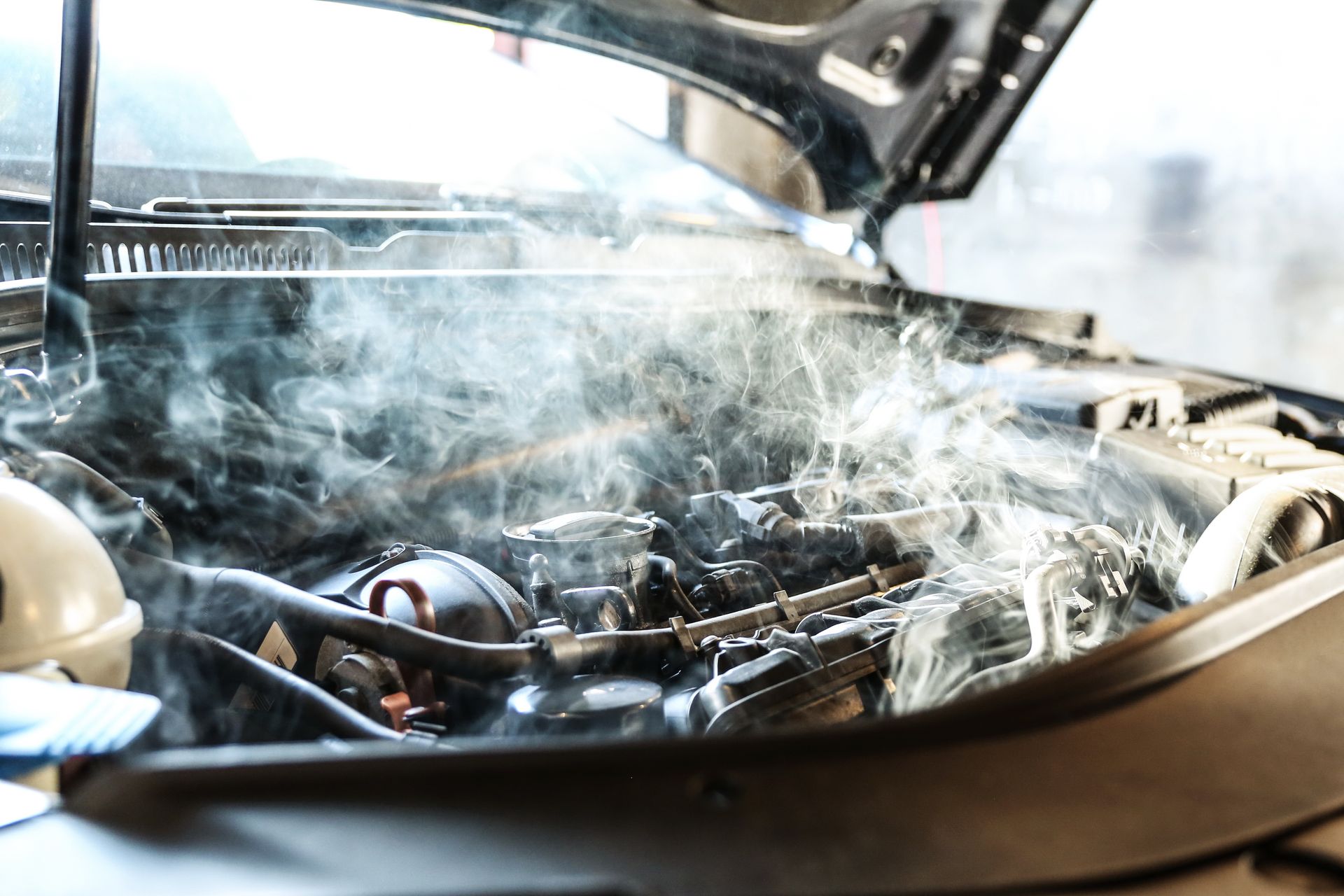
Chevrolet vehicles can develop many of the same problems as other vehicles, but some symptoms can be easy to misread. Spark plugs, ignition coils, fuel injectors, air leaks, or sensor problems can cause rough running. Overheating can come from coolant leaks, a thermostat, a radiator, a water pump, a cooling fan, or a low coolant level.
Transmission symptoms need the same care. A harsh shift or delay does not always mean the transmission needs a major repair. Fluid condition, mounts, computer data, solenoids, and service history all help tell the story. A good shop checks the system before turning one symptom into an expensive recommendation.
The Right Parts And Fluids Count
Chevrolet repair is not only about finding the problem. It is also about using parts and fluids that match the vehicle. Engine oil, coolant, brake fluid, transmission fluid, spark plugs, filters, and replacement components all need to meet the correct specification.
Using the wrong fluid or a low-quality part can create new problems after the repair. That is why the cheapest answer is not always the most honest one. A fair repair should be priced clearly, done correctly, and matched to what the vehicle needs to stay dependable.
Watch How The Shop Handles Small Concerns
The way a shop handles a small concern says a lot. If you mention a faint noise, a slight vibration, a warning light that came and went, or a small leak, the shop should take it seriously without making it sound worse than it is. Not every symptom is an emergency, but every symptom deserves a clear answer.
One of our technicians can check the vehicle, explain what is urgent, and separate real repair needs from items that can be monitored. That kind of honesty helps you make better decisions and keeps the repair process less stressful.
Get Chevrolet Repair In Lake Geneva, WI, With Mike's Auto Repair
If your Chevrolet needs maintenance, diagnostics, or repairs, Mike's Auto Repair in Lake Geneva, WI, can inspect the vehicle, clearly explain the findings, and recommend the right next step.