Engine temperature problems rarely begin with steam pouring from under the hood. In many cases, the first signs are subtle. The temperature gauge creeps higher than usual, the heater acts differently, or coolant levels start dropping without a clear reason. It is easy to keep driving and hope it settles down.
That is where real trouble can begin. Overheating is one of the fastest ways to cause serious engine damage, and the longer it is ignored, the higher the risk becomes.
What Causes An Engine To Overheat In The First Place
An engine overheats when the cooling system cannot keep temperatures under control. Coolant, radiator airflow, water pump function, and system pressure all need to work together.
If any part of that system starts to fail, heat builds quickly. Common causes include low coolant, leaks, a stuck thermostat, radiator blockage, or cooling fan issues. The problem does not need to be severe at first to create risk over time.
Why Overheating Is Hard On Engine Components
Engines operate within a specific temperature range. When that range is exceeded, metal parts expand beyond their design limits. That expansion can affect how components fit and move together.
Gaskets, seals, and internal engine parts are all sensitive to heat. Once temperatures climb too far, those parts can begin to weaken, warp, or lose their sealing ability.
When The Head Gasket Becomes At Risk
The head gasket sits between the engine block and cylinder head, sealing combustion pressure, coolant, and oil passages. It is designed to handle heat, but not extreme overheating.
When the engine gets too hot, the cylinder head can warp slightly. That change in shape puts stress on the head gasket. Once the seal is compromised, coolant and oil can mix, or combustion gases can enter the cooling system.
That is when a manageable cooling issue can turn into a much more involved repair.
Early Signs The Head Gasket May Be Affected
Head gasket problems do not always show up all at once. In many cases, there are warning signs that appear before the issue becomes severe.
You might notice:
- Coolant loss without a visible leak
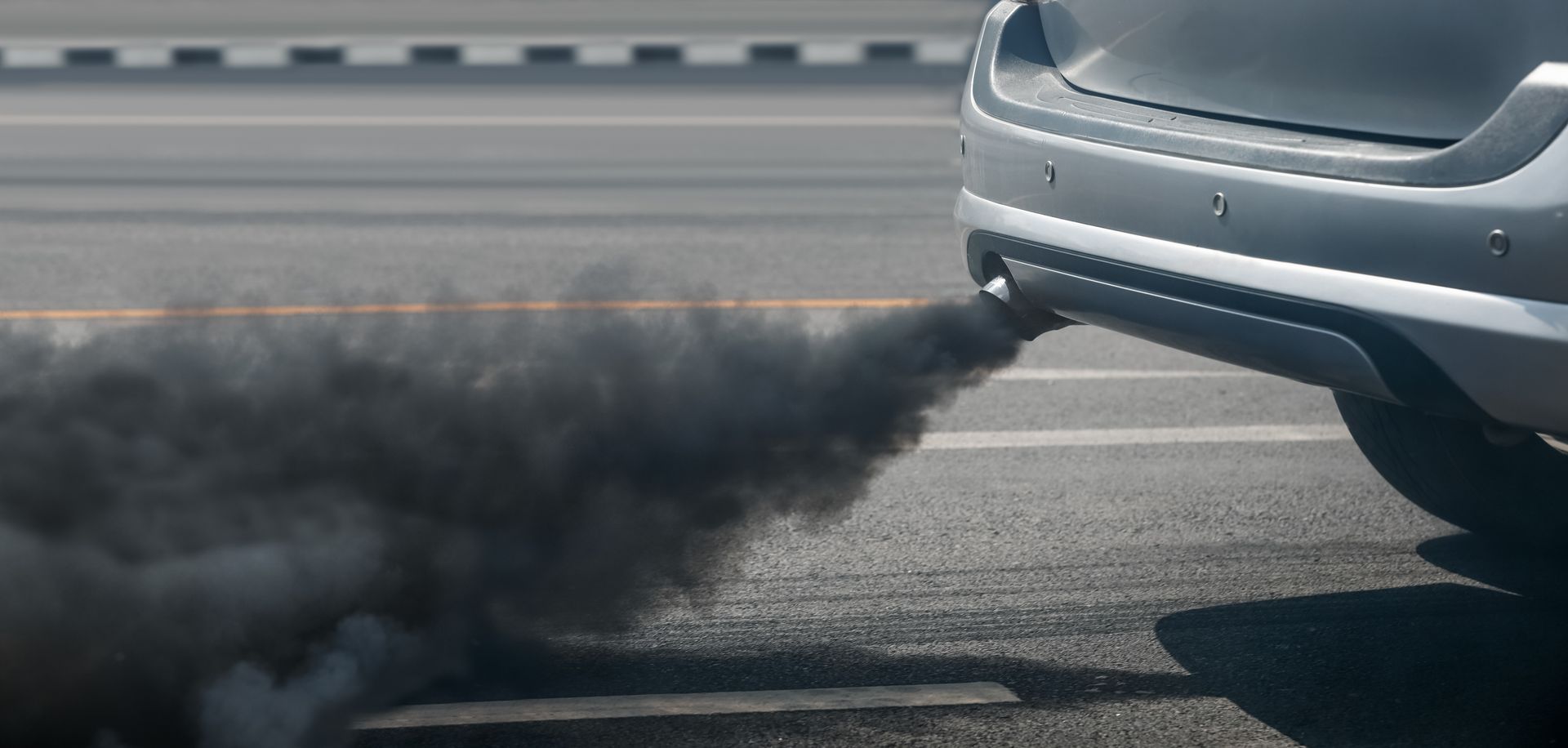
- White smoke from the exhaust
- Engine overheating more frequently
- Milky or contaminated oil
- Bubbles in the coolant reservoir
These signs point to internal leakage, which should be checked as soon as possible.
Why Waiting Makes The Repair More Expensive
Overheating once is already a concern. Repeated overheating increases the chance of damage spreading beyond the head gasket. The cylinder head itself can warp further, and internal engine components can be affected.
What could have been limited to cooling system repair may grow into a head gasket replacement or more extensive engine work. That is why early inspection is so important when temperature issues begin.
How Regular Maintenance Helps Prevent Overheating
Cooling systems need attention just like any other part of the vehicle. Coolant condition, hose condition, and system pressure all help keep temperatures stable.
Regular maintenance helps catch leaks, worn components, and fluid breakdown before they lead to overheating. Even minor issues, such as a weak hose or a low coolant level, can be identified during routine service.
An inspection after noticing temperature changes is just as important. Waiting until the engine overheats repeatedly removes the chance to keep the repair simple.
What To Do If Your Car Starts Overheating
If the temperature gauge rises quickly or a warning appears, it is best to stop driving as soon as it is safe to do so. Continuing to drive while overheated increases the risk of engine damage.
Letting the engine cool down and arranging service are the safer options. Even if the temperature drops later, the original cause still needs to be identified.
Get Cooling System And Engine Repair In Lake Geneva, WI, With Mike's Auto Repair
If your engine has been running hot or your coolant level keeps dropping, Mike's Auto Repair in Lake Geneva, WI, can check the cooling system to see whether the problem is still contained or has already put the head gasket at risk.
Catching it now can save you from a much more serious engine repair later.