A car that shakes when you brake is hard to ignore. The steering wheel may wobble in your hands. The brake pedal may pulse under your foot. The whole front end may feel like it is shuddering when you slow down from highway speed. Even if the vehicle still stops, that vibration is telling you something in the braking, tire, steering, or suspension system is not behaving the way it should.
Brake shake can feel minor at first, especially if it only happens at certain speeds. That does not mean it should be pushed aside. A small vibration can lead to a longer stopping distance, uneven brake wear, damaged rotors, worn tires, or a safety concern if the cause keeps worsening.
Brake Rotor Problems Are A Common Cause
One of the most common reasons a car shakes while braking is uneven rotor surface or rotor thickness variation. The brake rotors are the metal discs the pads press against. When the rotor surface is uneven, the pads do not maintain steady contact as the wheel turns.
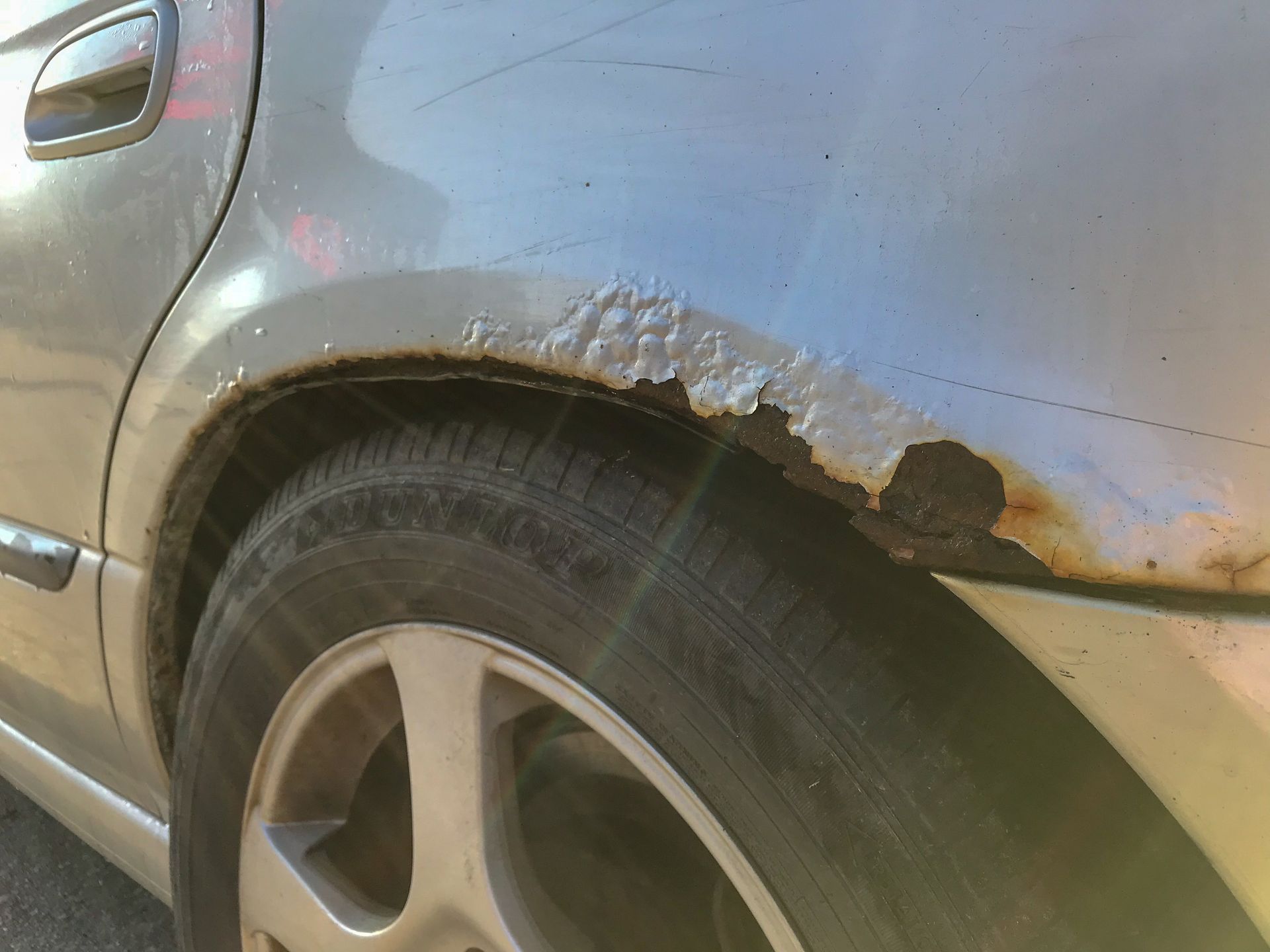
Drivers often describe this as warped rotors. In many cases, the rotor is not bent like a potato chip. Instead, it may have uneven pad material, heat spots, thickness variation, rust buildup, or surface damage. The result feels similar: vibration when the brakes are applied.
This is often most noticeable when braking from higher speeds. You may barely feel it in a parking lot, then feel the steering wheel shake when slowing down from 50 or 60 mph.
Heat Can Change The Way Brakes Feel
Brakes generate heat whenever they slow the vehicle. Normal heat is expected. Excessive heat is where problems begin. Hard stops, riding the brakes downhill, towing, traffic, stuck calipers, or cheap brake parts can all cause rotors and pads to overheat.
When brakes get too hot, the pads may leave uneven deposits on the rotor surface. Rotors can also develop hard spots or surface changes that make the brakes feel rough. Once that pattern starts, each stop can make the vibration more noticeable.
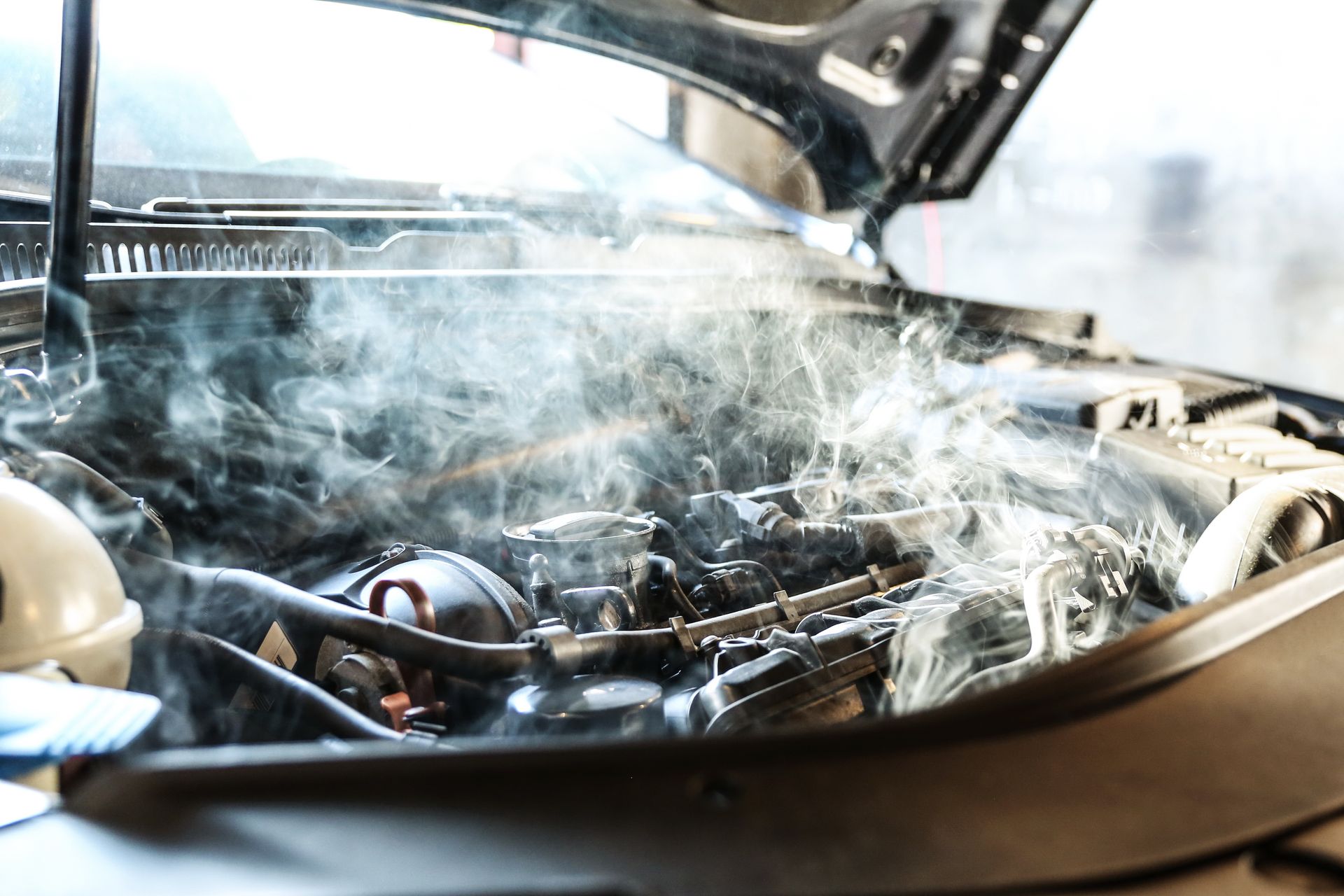
A burning smell, smoke near one wheel, or a wheel that feels much hotter than the others can indicate a dragging brake. That should be checked soon because heat can damage pads, rotors, calipers, hoses, and wheel bearings.
The Steering Wheel Can Help Locate The Problem
Where you feel the vibration can give useful clues. If the steering wheel shakes mostly when braking, the front brakes are often involved. If the vibration feels more like it is coming through the seat or floor, the rear brakes may deserve closer attention.
That said, the location is not always perfect. Brake vibration can travel through the suspension and the vehicle's body. A worn steering or suspension part can also make a brake vibration feel worse than it really is.
This is why a proper inspection should not stop at the rotors. The brake system, tires, wheel bearings, steering parts, and suspension should be checked together if the shake is strong or has been getting worse.
Tires And Suspension Can Make Brake Shake Worse
A car may shake during braking even when the brakes are only part of the problem. Worn tires, uneven tread, loose tie rods, weak control arm bushings, bad ball joints, worn shocks, or wheel bearing play can all affect how the vehicle feels when weight shifts forward during braking.
Braking puts extra load on the front end. If something is loose or worn, that load can make the movement show up more clearly. A vibration that started as a brake issue can intensify when another part no longer holds the wheel steady.
This is especially important if the vehicle also pulls, clunks, wanders, wears tires unevenly, or shakes even when you are not braking.
Is It Safe To Keep Driving?
It depends on how bad the shaking is and what caused it. A light vibration during braking may not mean the vehicle is about to fail immediately, but it still needs service. A strong shake, grinding sound, brake warning light, soft pedal, pulling, or burning smell is more serious.
Brake problems should never be treated as normal. The vehicle may stop today, but the system may be wearing unevenly or overheating each time you drive it. If the steering wheel shakes badly or the pedal feels unstable, avoid high-speed driving and have the brakes checked as soon as possible.
The safest approach is to inspect the brakes before the vibration turns into rotor damage, pad wear, caliper trouble, or reduced stopping confidence.
What A Brake Vibration Inspection Should Include
A good brake inspection should look beyond one obvious symptom. Brake shake can come from several parts working poorly together.
- Front and rear rotors should be checked for surface condition, thickness, heat spots, rust, and thickness variation, as a rotor can look acceptable on the outside and still cause vibration during braking.
- Brake pads should be checked for uneven wear, glazing, cracking, contamination, and proper movement in the brackets because pads that cannot move freely can overheat or leave uneven material on the rotor.
- Calipers and slide pins should be tested to ensure the brakes apply and release correctly, as a stuck caliper can quickly ruin new pads and rotors.
- Tires, wheel bearings, steering parts, and suspension bushings should be inspected, as loose or worn parts can amplify brake vibration and create unsafe handling.
- Brake fluid and hoses should be checked if the pedal feels soft, low, or inconsistent, as hydraulic problems can affect how the brakes respond.
That kind of inspection gives a clearer repair plan than replacing pads alone and hoping the shake disappears.
Get Brake Vibration Diagnostics In Lake Geneva, WI, With Mike's Auto Repair
If your car shakes when braking, the steering wheel wobbles, the pedal pulses, or the vehicle feels unstable while slowing down, Mike's Auto Repair in Lake Geneva, WI, can inspect the brakes, tires, steering, and suspension to find the cause.
To diagnose brake vibrations before the problem gets worse, contact us to schedule an appointment.
Common Questions About Brake Shaking
Can I Drive With A Car That Shakes When Braking?
A mild shake may allow short local driving, but it should still be inspected soon. If the shaking is strong, the pedal feels soft, the car pulls, or you hear grinding, it is safer to avoid driving until the brakes are checked.
Do I Need New Rotors If My Car Shakes When I Brake?
Not always, but rotors are a common cause. The rotors need to be measured and inspected because the fix depends on thickness, surface condition, heat damage, and whether other brake parts are working correctly.
Why Does My Steering Wheel Shake Only At Highway Speeds?
High-speed braking puts more heat and force into the front brakes. Uneven front rotors, worn front suspension parts, tire issues, or wheel bearing play can become much more noticeable when slowing down from highway speeds.